Small Change, Real Causes: Following a Morris Collection from Bucket to Beneficiary
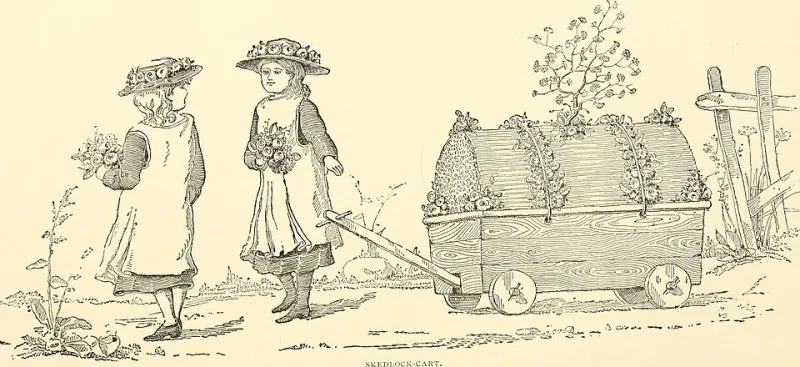
Photo: Internet Archive Book Images, No restrictions, via Wikimedia Commons
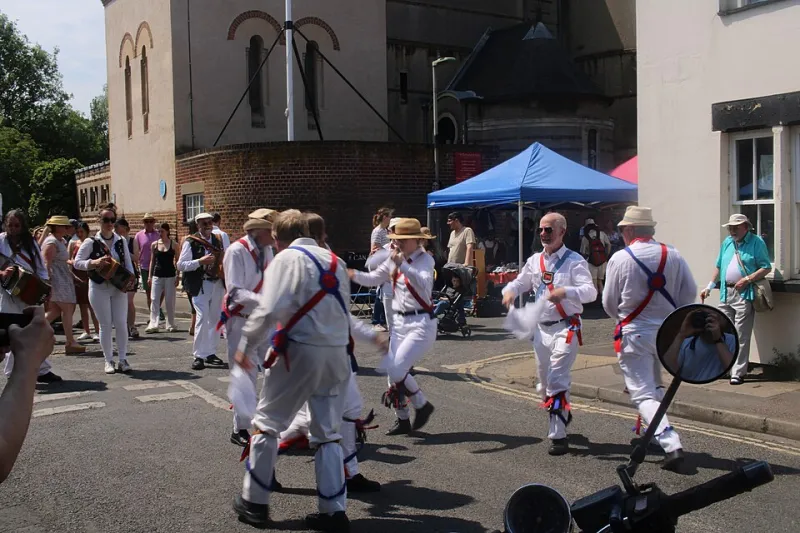
Stand outside St Albans Cathedral on a Saturday morning, or catch the side at a village fete in Redbourn, and you will eventually see the bucket. It comes out after the last chorus, passed along the front of the crowd with a smile and a rattle. Most people drop in a pound or two, sometimes a handful of change from the bottom of a bag. It looks like a small thing. It is not.
The bucket is not a mystery box
For a side like St Albans Morris Men, the collection is part of the dance-out, not an awkward afterthought. The money is counted, recorded and allocated. Members know where it has come from and, just as importantly, where it is going. That transparency matters. A crowd will happily put coins in a bucket if it trusts the people holding it, and trust is built by being clear rather than mysterious.
The side has been dancing in and around Hertfordshire since 1972, which means generations of collectors, treasurers and slightly damp ten-pound notes. The method has stayed simple: dance, collect, count, decide, donate. The details change, but the principle does not. Morris dancing is a community activity, and the collection is one of the ways the side stays connected to the community it dances for.
Choosing a partner: local, useful and close to home
St Albans Morris Men do not have a faceless charity account that swallows everything anonymously. In practice, the side tends to agree a charity partner or a short list of local causes each season. Members suggest organisations they know, often ones with a direct link to the area the side dances through. The aim is not to chase the biggest national campaign, but to find groups where a few hundred pounds makes a visible difference.
That might mean a foodbank in St Albans, a hospice appeal, a youth music project, a conservation group working on the commons and riverbanks around Verulamium, or a village hall fund in somewhere like Wheathampstead or London Colney. The criteria are fairly practical: is the cause local, is it useful, and can the side explain clearly what the money will do? Small charities often fit that brief better than large ones, because the distance between a donation and a result is shorter.
There is also a cultural fit. Morris sides are not political campaigning organisations, and the collection is not a platform. The side favours causes that sit comfortably within community life: keeping people fed, keeping young musicians playing, keeping halls open, keeping green spaces cared for. It is not glamorous, but it is honest.
What it actually costs to keep the bells ringing
It would be easy to assume that a Morris side is a cheap hobby. It is not. Bells wear out, sticks break, hankies fray, baldrics need repairing and waistcoats need altering. There is public liability insurance to pay for, hall hire for winter practice nights, travel costs to dance-outs, and the small but endless expense of tea, biscuits and the occasional replacement melodeon reed. Musicians give their time generously, but instruments are not free to maintain.
Members pay subscriptions, and those subs cover the core of the year. The collection tin is not a salary fund, and nobody is getting rich from Morris dancing in Hertfordshire. Donations help with the extras: the things that make a dance-out possible, the charity giving that sits alongside the dancing, and the quiet costs that audiences never see. A side that is careful with money is a side that can keep turning up in the market place, the pub yard and the cathedral green for another season.
Beyond the coin: other ways to help
Dropping a coin in the bucket is the easiest way to support a dance-out, but it is not the only one. If you run a fete, wedding, festival or community event, booking the side is a direct way to keep Morris dancing alive in the area. If you have ever thought about having a go, turning up to a practice evening is even more valuable than a donation, because new dancers and musicians are the future of the tradition.
There are less obvious contributions too. A hall with a decent floor, a storeroom for kit, a lift to a distant stand, a raffle prize, a round of drinks for the musicians, or simply telling a neighbour that the side will be dancing on Saturday morning. Local businesses can sponsor a dance-out or help with printing. None of it has to be grand. Morris is a tradition built on small, practical acts of support.
And if you are the person holding the bucket for an hour, thank you. It is colder and heavier than it looks. The coins add up, but so does the goodwill.
The bit where you come in
The next time the bucket reaches you, you are not just getting rid of loose change. You are helping a local side cover its costs, support causes it believes in, and keep a very old form of dancing visible in streets and squares that are increasingly full of other things. Ask where the money goes if you like. The answer should be clear, local and rooted in the same community that turns out to watch.
St Albans Morris Men are not a charity, and the bucket is not a grand fundraising machine. It is a small, honest link between the dance and the place it happens. That is worth a pound or two, and it is worth knowing the rest of the story.