The Other Side of the Bar: What Landlords Say About Hosting a Morris Night
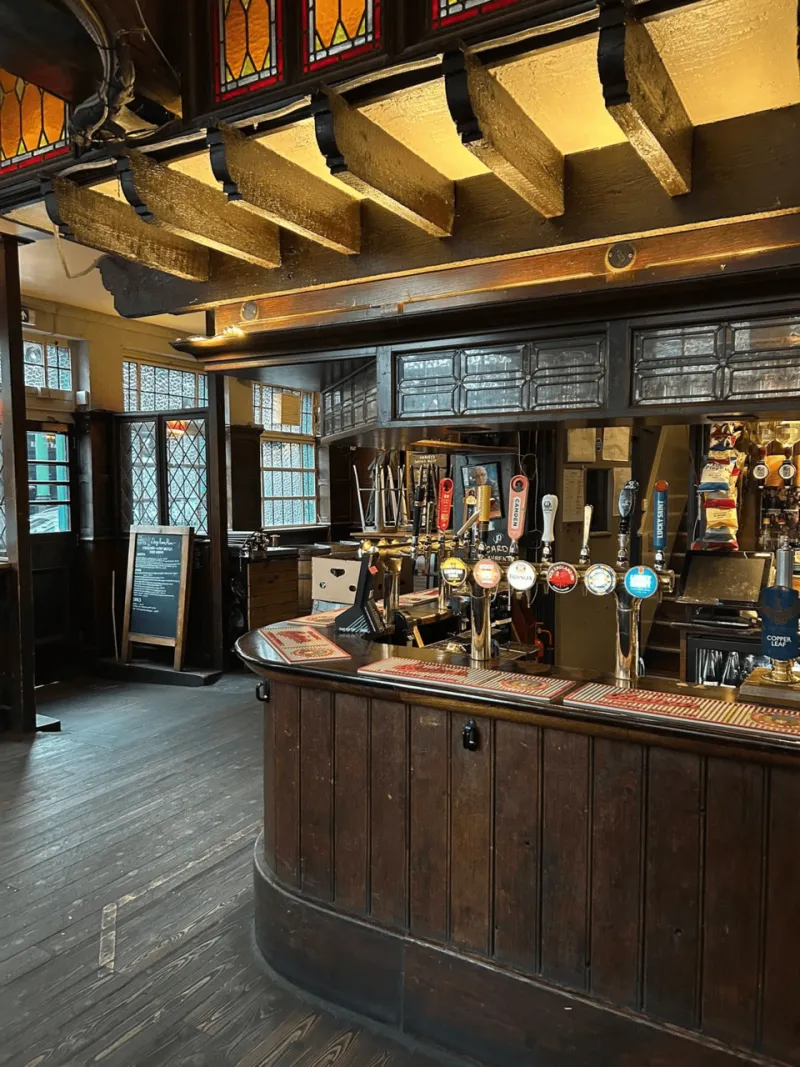
Photo: 55belgianbeerfan, CC0, via Wikimedia Commons
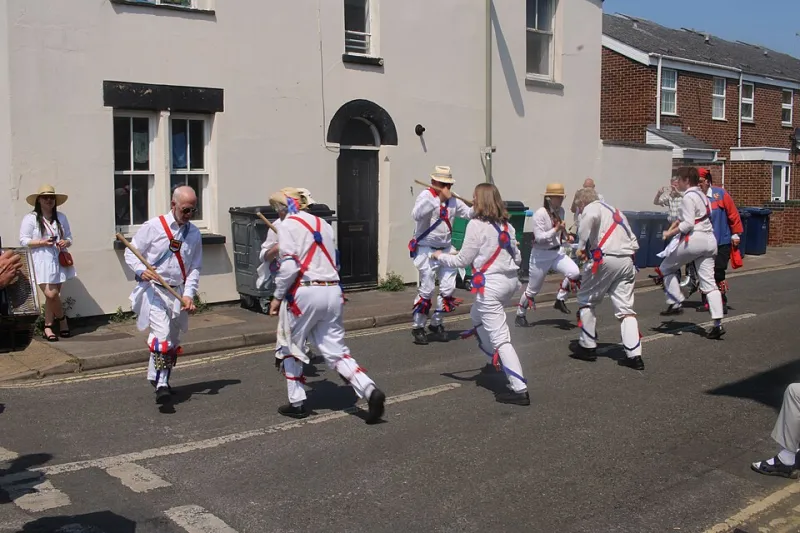
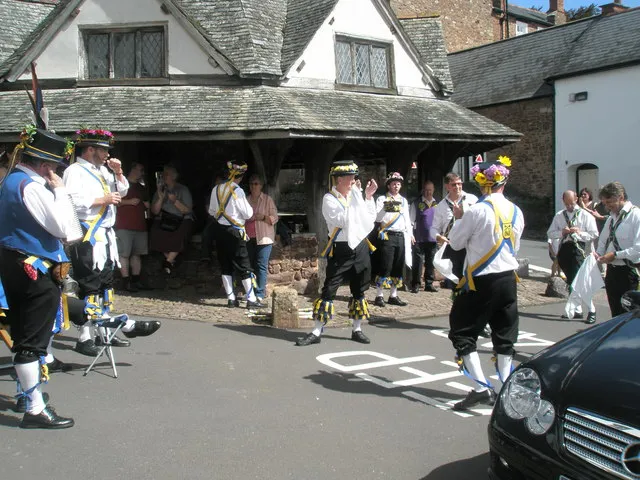
A Morris night looks wonderfully straightforward from the pavement. A knot of hankies appears at the end of the street, bells start jingling, a fiddle strikes up, and a small crowd gathers. Twenty minutes later it is over. From the publican’s side of the bar, though, it is a different dance entirely — one involving timing, floor space, glass collection and a delicate negotiation with the regulars in the corner.
St Albans Morris Men have been dancing in and around the city since 1972, and pub stops have long been part of the rhythm. But a good Morris night is not automatic. It is a small piece of event management, shared between the side and the venue. As one city-centre landlord put it, “We’re not a concert hall. We’re a pub. If you help us keep it a pub, we’ll happily have the bells.”
What a Morris night actually asks of a pub
On paper, it sounds easy: a group turns up, dances for a bit, buys a round. In practice, landlords tend to raise the same handful of practical points.
Space is the first. A Morris set needs room to move, but it cannot block the bar, the fire exits, the loos or the route between the kitchen and the tables. Indoor dances are rare but not unknown, and a wet-weather fallback can put pressure on a pub that has not planned for it. Outdoors, the issue is different: is there a yard, a forecourt or a safe stretch of pavement where dancers can work without sending pedestrians into the road?
Timing is the second. A landlord wants to know when the side will arrive, how long it will stay and whether the visit clashes with a football match, a quiz night, a booking or the Friday rush. “We can host almost anything if we know about it,” one landlord told us. “What we can’t do is have a surprise twenty-person set in the middle of a busy service.”
Noise is the third, though it is rarely the problem people expect. Bells and melodeons are not a heavy metal gig. The bigger issue is the sudden change of atmosphere: conversation stops, chairs shift, and a quiet afternoon becomes a small performance. Some regulars love it. Others quietly finish their drinks and leave. Both reactions are normal.
The takings question
It would be naive to pretend that pubs do not think about money. They do — they have to. But a Morris night is rarely a goldmine. The side may bring thirty or forty extra people, including partners and friends, and they will usually buy a drink or two. That is welcome. It is not the same as a full evening’s takings.
What landlords often value more is the texture a Morris visit adds. It gives a pub something to put on the board, something for visitors to stumble across, something that makes a quiet Saturday lunchtime feel like a proper St Albans occasion. One landlord described it as “a bit of free theatre with a decent chance of selling a few extra pints.” Another was blunter: “It’s not the Christmas market. But it’s nice. Nice matters.”
The pubs that hesitate usually have a reason. Maybe they have a tight food service, a small bar, a function on, or a regular crowd that does not want a surprise. That is not hostility to folk dance. It is the ordinary caution of a business trying to keep plates moving and customers happy.
When regulars become the audience
Perhaps the most interesting thing about a Morris night is what happens to the regulars. Some pubs have a natural audience: people who will put down the paper, turn their chair and watch. Others take longer to warm up. A few will always prefer the corner and the crossword.
The landlords who make it work tend to do the same things. They mention the visit in advance. They keep the set away from the main bar. They resist the urge to over-announce it, letting the dancing do the talking. And they give the side a clear finish time, so the pub can return to normal without an awkward shuffle.
Dancers can help here too. A compact set is better than a sprawling one. A quick word with staff before starting is better than assuming everyone knows why there are bells in the beer garden. And buying a round — properly, not symbolically — goes a long way. Landlords notice the side that thanks the bar staff, clears its glasses and does not treat the pub as a free stage with a licence.
What both sides can learn
For Morris sides, the lesson is simple: a pub is a partner, not a backdrop. Call ahead. Ask what will work. Offer a flexible set length. Avoid the busiest thirty minutes of service if you can. Bring your own crowd if you have one, and make sure they know the pub is a business, not a village hall.
For pubs, the lesson is equally simple: Morris dancers are usually easier to host than the average pub quiz team. They tend to be organised, sober enough to drive home and genuinely grateful for the space. A corner of the yard, a clearly signposted time and a little goodwill are often all it takes.
St Albans has a long history of dancing in public places — Cathedral Green, the station forecourt, the market square and, yes, the occasional car park. But the pub stop remains one of the most sociable parts of the tradition. It is where the dancing meets the everyday: a pint, a chat, a bit of confusion, a round of applause.
If you run a pub in or around St Albans and have ever wondered whether a Morris night would suit your regulars, the answer is probably yes — with a conversation first. The bells are not there to take over. They are there to add something. And if the landlord is happy, everyone else usually is too.
St Albans Morris Men can be contacted through stalbansmorrismen.org.uk about pub visits, fetes and community events.